



Copyright (C) 2001 TDRD Ltd.,Part. All right reserves.








Buying a Hardware Wallet for SOL Staking? Check the Exact Supported Workflow
11.11.2026
A common sequence unfolds in cryptocurrency communities: an investor decides to stake their Solana holdings, recognises the security risks of keeping funds on an exchange, and purchases a hardware wallet. The device arrives, the Solana application is installed, and the user searches the interface for the button to delegate their tokens. Often, they discover that the path from holding SOL on a hardware device to actively earning staking rewards is neither automatic nor straightforward.
Hardware wallets exist to isolate private keys. They do not natively process staking logic, communicate with validators, or manage the complex transaction types required by the Solana network. Assuming that hardware support for a token automatically equates to hardware support for that token's staking workflow is a frequent and costly misunderstanding. Before committing to a specific device, a buyer must verify the exact supported workflow.
What the SOL staking workflow actually entails
Solana operates on a delegated proof-of-stake consensus mechanism. Token holders do not stake directly to the network in a single click; they delegate their SOL to a validator node. This delegation requires creating a stake account—a distinct on-chain entity separate from the user's main SOL address—and then authorising a transaction that assigns voting rights to a chosen validator.
A hardware wallet secures the private key authorised to sign these transactions. However, the device itself cannot construct the transaction, select the validator, or broadcast the signed payload to the cluster. This operational heavy lifting falls to a companion software interface. If the companion software cannot construct the specific stake instruction, or if the hardware firmware cannot parse and authorise that instruction, the workflow halts entirely.
Firmware and app version constraints
The Solana blockchain frequently updates its transaction logic and programme interfaces. Hardware wallet manufacturers must continually update their device firmware and individual cryptocurrency applications to keep pace. A hardware wallet purchased today may ship with firmware that supports basic SOL transfers but lacks the instruction parsing required for staking or unstaking.
For instance, earlier iterations of the Solana app on certain hardware devices could not display the details of a stake delegation transaction on the device screen. To proceed, users were forced to enable "blind signing"—a setting that authorises the device to sign a transaction without displaying its contents for verification. Blind signing fundamentally undermines the security model of a hardware wallet, as the user cannot confirm the destination or parameters of the delegation on the trusted screen. Verifying that a device supports clear signing for Solana stake transactions without requiring blind signing is a critical pre-purchase check.

The companion wallet requirement
Hardware devices operate within a software ecosystem. Some hardware manufacturers offer native desktop applications that integrate staking features for a limited selection of popular validators. While convenient, these native integrations often restrict the user's choice of validator, which can impact reward yields and network decentralisation.
Alternatively, users can connect their hardware wallet to third-party Solana interfaces, such as browser extension wallets. These interfaces typically offer a broader selection of validators and more granular control over stake accounts. The workflow involves pairing the hardware device with the extension, constructing the stake transaction in the extension, and then confirming the transaction on the hardware device.
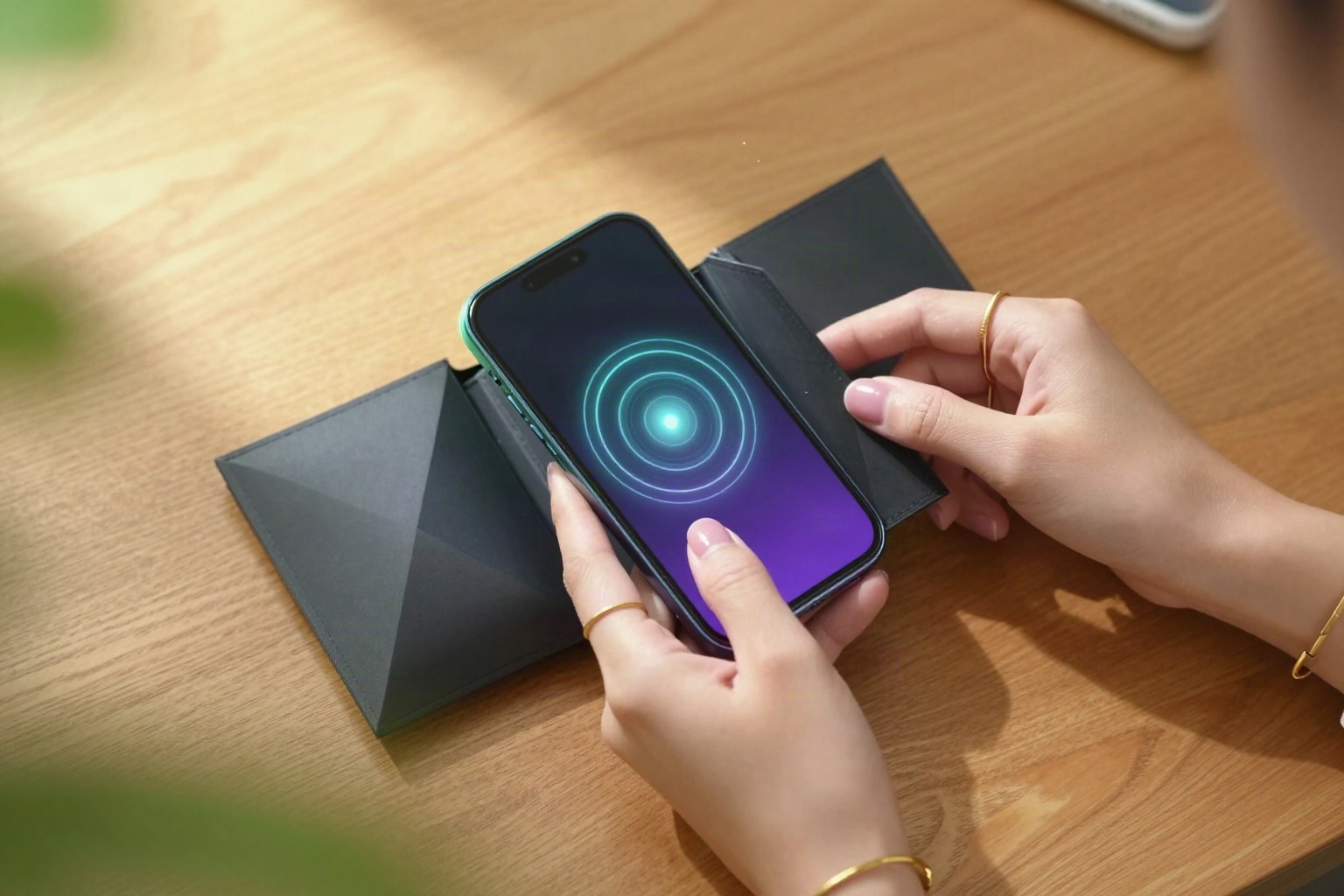
This pairing process is not universally supported. A specific hardware model might integrate smoothly with one software wallet but lack the underlying support for another. Furthermore, the connection protocol—whether it uses WebUSB, HID, or a bridge application—varies by browser and operating system. A workflow that functions perfectly on a Chromium-based browser might fail entirely on Firefox or Safari. Buyers must verify the entire chain: hardware model, firmware version, companion software, and browser compatibility.
Verifying the delegation path
When evaluating a hardware wallet for SOL staking, the buyer should trace the exact delegation path from initiation to broadcast. This involves several discrete steps that must all function correctly.
- The companion software must recognise the hardware wallet and derive the correct Solana address.
- The software must offer an interface to select a validator and specify the amount of SOL to delegate.
- The software must construct the valid stake instruction and send it to the hardware device.
- The hardware device must parse the transaction, display its essential parameters (the validator vote account and the amount), and await physical button confirmation.
- The signed transaction must be returned to the software and successfully broadcast to the Solana mainnet.
If any step in this path is unsupported, the user is left with a secure device that can only perform basic transfers. They would need to temporarily migrate their keys to a software wallet to stake—an action that defeats the purpose of buying the hardware wallet in the first place.

Cooldowns and undelegation mechanics
Staking workflows are not limited to delegation; they must also support undelegation. Solana enforces an epoch-based cooldown period. When a user decides to unstake their SOL, the tokens do not become immediately available. They must undergo a deactivation process that lasts until the end of the current epoch, plus a cooldown period.
A robust hardware and software integration must represent these cooldown states accurately. The companion interface should clearly distinguish between active stake (currently earning rewards), deactivating stake (in the cooldown period), and available balance. If the software fails to parse these states correctly, users might attempt to withdraw funds that are still locked, leading to failed transactions and confusion. The hardware wallet itself does not calculate these epochs; it relies entirely on the companion software to interpret the on-chain data and construct valid undelegation instructions when the protocol allows.
A pre-purchase checklist
Before acquiring a hardware wallet specifically for SOL staking, a buyer should run through the following verifications:
- Token support versus staking support: Confirm the device supports the Solana staking transaction type, not merely SOL transfers. Look for explicit documentation regarding staking integration.
- Clear signing capability: Verify that the current firmware and Solana app version allow the user to review stake delegation details on the device screen, avoiding the necessity of blind signing.
- Companion software compatibility: Identify which desktop applications or browser extensions will be used to manage the staking process and confirm they officially support the chosen hardware model.
- Validator selection: Determine whether the companion software restricts validator choice or allows delegation to any active Solana validator.
- Operating system and browser requirements: Ensure the connection protocol between the hardware device and the companion software functions reliably on the user's specific operating system and preferred web browser.
For a separate perspective on this decision, this discussion of wallet compatibility for hardware-assisted staking. Confirm that the referenced information is current before relying on details such as fees, support or timing.
Hardware wallets provide robust key isolation, but they are inert without a functional software interface. Staking Solana is an operational workflow that requires precise coordination between device firmware, companion applications, and the blockchain protocol. Checking the exact supported workflow before purchasing prevents the frustration of holding secure, but idle, tokens.
Copyright (C) TDRD Ltd.,Part (R) 2001. All rights reserved.
If you have any questions or suggestions for this site, please send us email to

.